
March 12, 2026
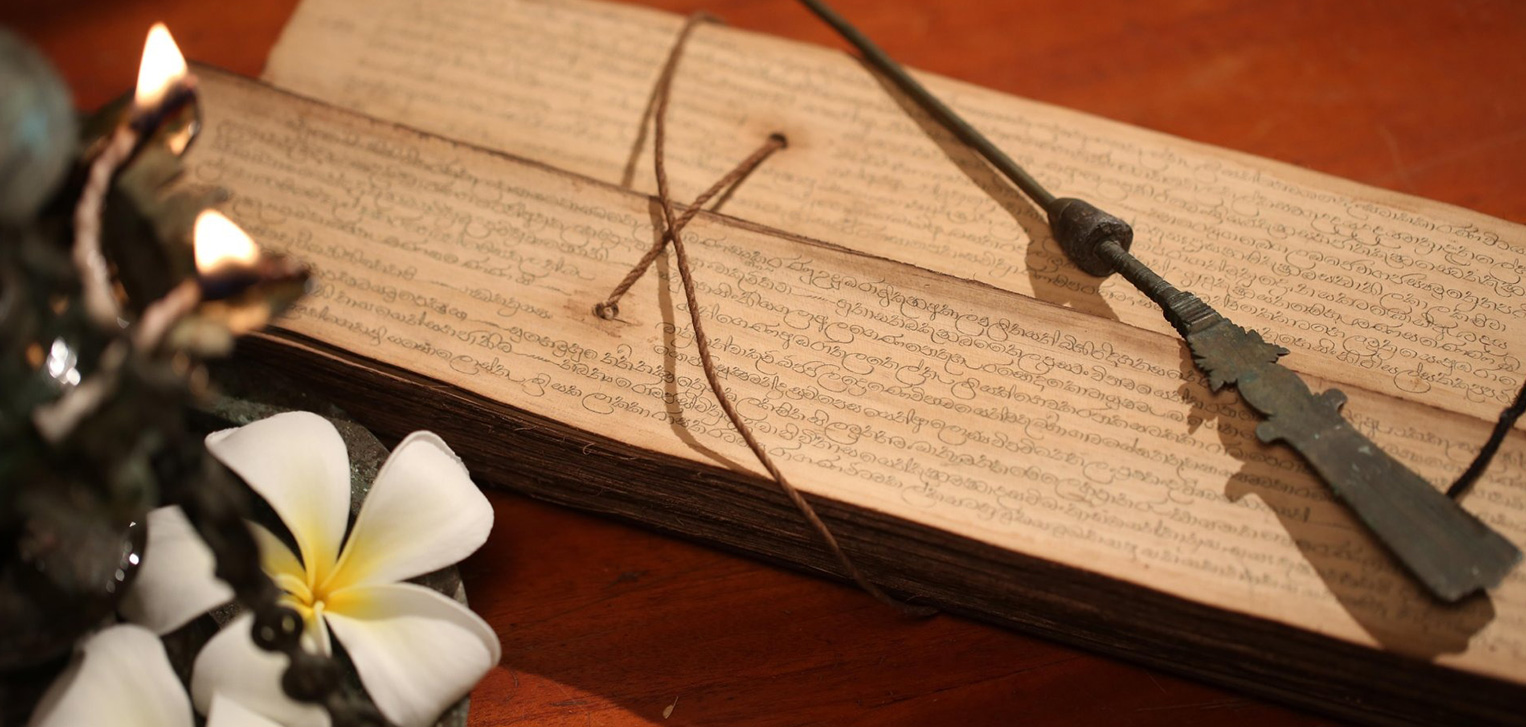
Hela Wedakama represents one of Sri Lanka’s oldest and most distinctive systems of healing, shaped by centuries of lived experience, environmental awareness, and cultural practice. Rooted in the island’s indigenous communities, this traditional medical system evolved long before the emergence of formalised medical institutions elsewhere. It’s a reflection of a holistic understanding of health – one that connects the human body closely with nature and spiritual balance.
Hela Wedakama developed as an indigenous healing tradition unique to Sri Lanka, grounded in the island’s geography and cultural rhythms. Rather than following a rigid theoretical framework, it emerged through observation, experimentation, and communal knowledge. Treatments were tailored to local conditions, climates, and lifestyles, allowing the system to remain practical and deeply relevant to everyday life. This adaptability helped Hela Wedakama remain resilient across centuries of social and environmental change.
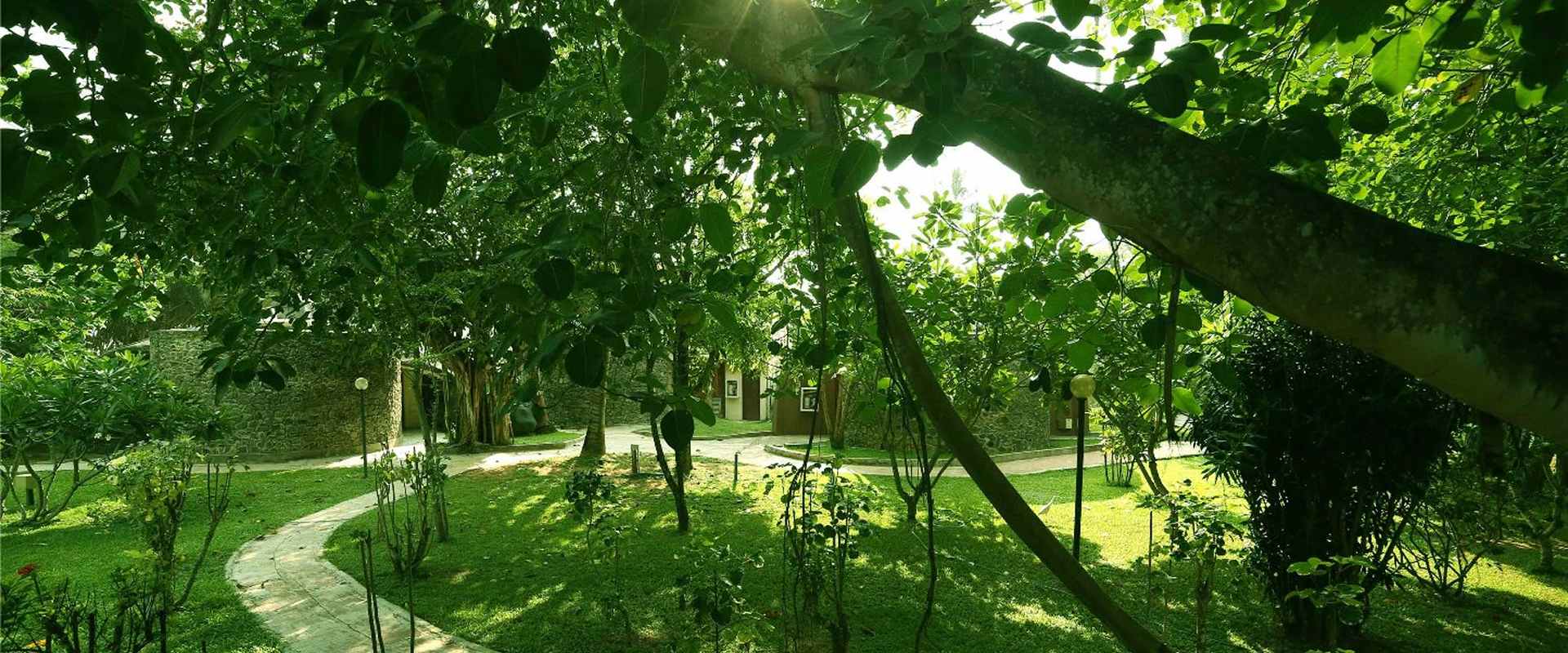
Sri Lanka’s remarkable biodiversity played a central role in shaping Hela Wedakama. With access to a vast range of medicinal plants—including hundreds of endemic species—traditional healers developed a sophisticated understanding of herbal properties and combinations. Forests, wetlands, and home gardens functioned as natural pharmacies, supplying remedies for physical injuries, chronic illnesses, and more. This close relationship with nature ensured that healing knowledge evolved in harmony with the environment.
The knowledge of Hela Wedakama was preserved primarily through practice and oral tradition. Skills, diagnostic methods, and treatment techniques were passed from one generation to the next through direct apprenticeship and hands-on learning. Over time, specialised branches emerged, addressing areas such as fracture healing, toxicology, mental health, and wound care. This continuity allowed the system to refine itself while remaining responsive to changing health needs.
Archaeological findings across Sri Lanka provide tangible evidence of the advanced medical practices associated with Hela Wedakama. Ruins of ancient hospital complexes, surgical tools, treatment troughs, and veterinary care facilities point to a well-organised approach to healing. These sites indicate that procedures such as surgery, trauma care, and animal treatment were practised systematically, highlighting a level of medical sophistication rarely associated with ancient societies.
Together, these elements position Hela Wedakama not merely as a traditional remedy system, but as a deeply rooted medical heritage that continues to inform Sri Lanka’s cultural and healing identity.